
In our fast-paced modern world, finding a moment of genuine stillness can feel like an impossible challenge. The constant noise of digital notifications, professional obligations, and personal responsibilities often leaves us feeling mentally drained.
Meditation offers a sanctuary of peace, providing a practical way to quiet the mind and reconnect with the present moment.
If you are ready to explore this transformative practice, this beginner’s guide to meditation will provide you with the essential steps to cultivate a consistent and rewarding habit.
Creating a Dedicated Space
Consistency is the foundation of success when you are first learning to meditate. You do not need a specialized studio or an elaborate setup to get started. Simply find a quiet, comfortable corner in your home where you can sit without being disturbed for a few minutes each day.
The goal is to establish a physical cue that tells your brain it is time to shift gears and enter a state of relaxation. By consistently using the same spot, you will find it much easier to transition into a calm mindset.
Establishing a Comfortable Posture
Many people mistakenly believe that they must sit in a complex yoga pose to meditate effectively. In reality, the most important aspect of posture is comfort and alertness.
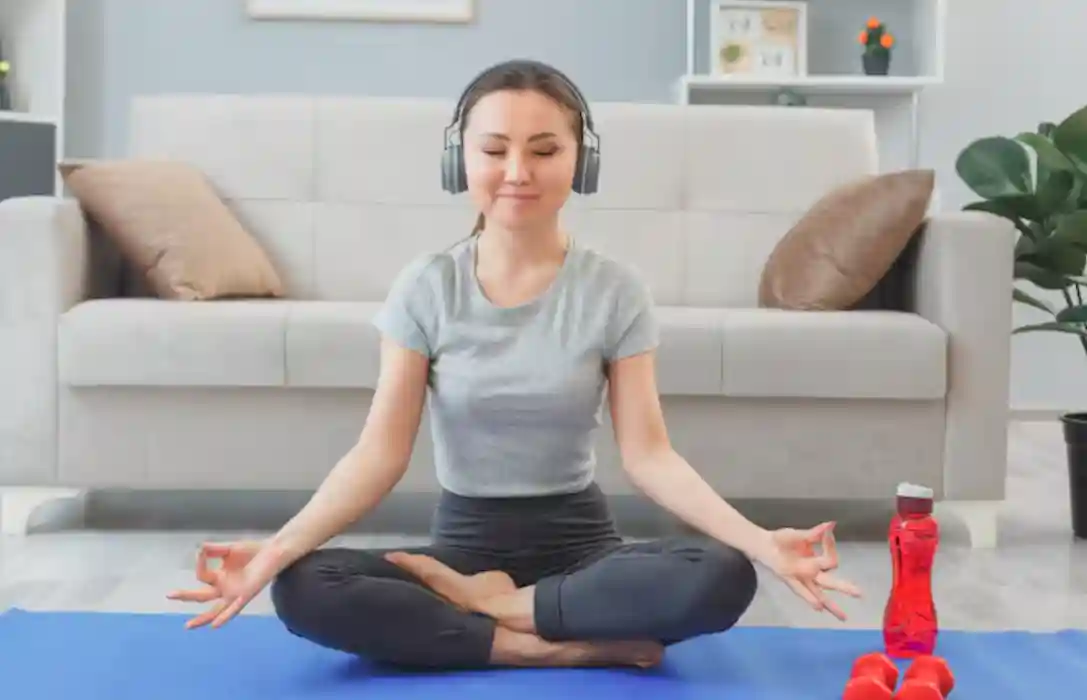
Whether you choose to sit on a chair with your feet flat on the floor or on a cushion with your legs crossed, ensure that your back is straight but not rigid.
A neutral, relaxed spine helps maintain focus throughout your session. If you are struggling with a beginners guide to meditation, remember that your physical comfort is the priority.
Focusing on Your Breath
The breath serves as a natural anchor that helps bring the wandering mind back to the present. As you close your eyes, take deep, natural breaths and notice the sensation of the air entering and leaving your body.
When your thoughts inevitably drift toward your to-do list or other distractions, gently acknowledge those thoughts without judgment and return your focus to your breathing. This act of returning is not a failure; rather, it is the very essence of the meditative process and helps strengthen your mental focus.
Managing Thoughts and Distractions
It is completely normal for your mind to be active when you first start practicing. Many newcomers get frustrated when they cannot stop thinking entirely, but total silence is not the objective of meditation.
The goal is to observe your thoughts as if they were clouds passing through the sky, allowing them to drift by without becoming attached to them.
Using this beginner’s guide to meditation, you will learn to cultivate an attitude of gentle observation, which eventually leads to a more spacious and quiet mental state.
Starting with Short Sessions
One of the most common mistakes is attempting to meditate for an hour on your first day. It is far more effective to start with short, manageable sessions of five to ten minutes. Brief daily practice is far superior to an occasional long session.
By keeping your sessions short initially, you reduce the likelihood of feeling overwhelmed or discouraged. As your comfort level grows, you can naturally increase the duration of your practice, ensuring that it remains an enjoyable and sustainable part of your daily routine.