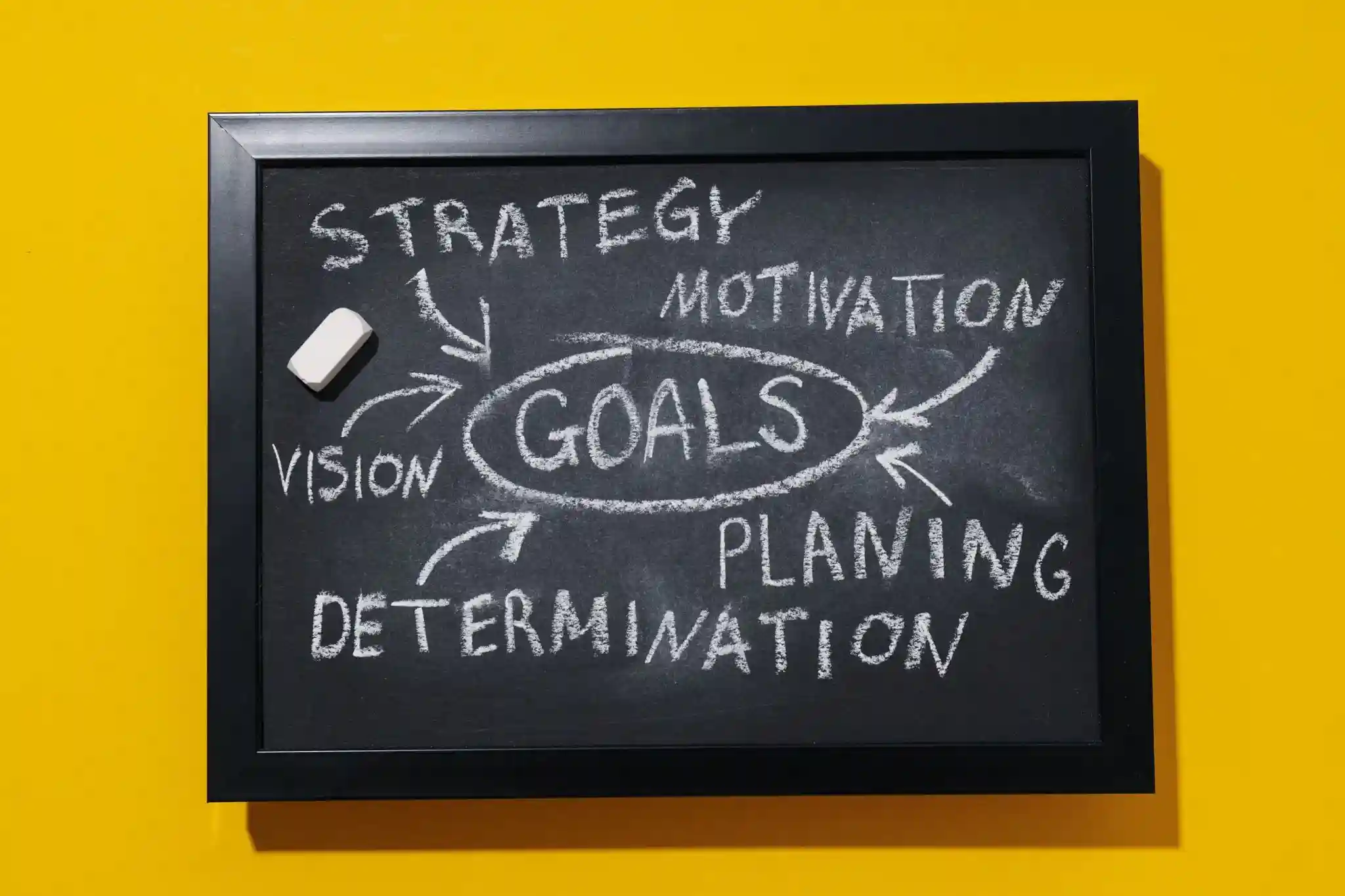
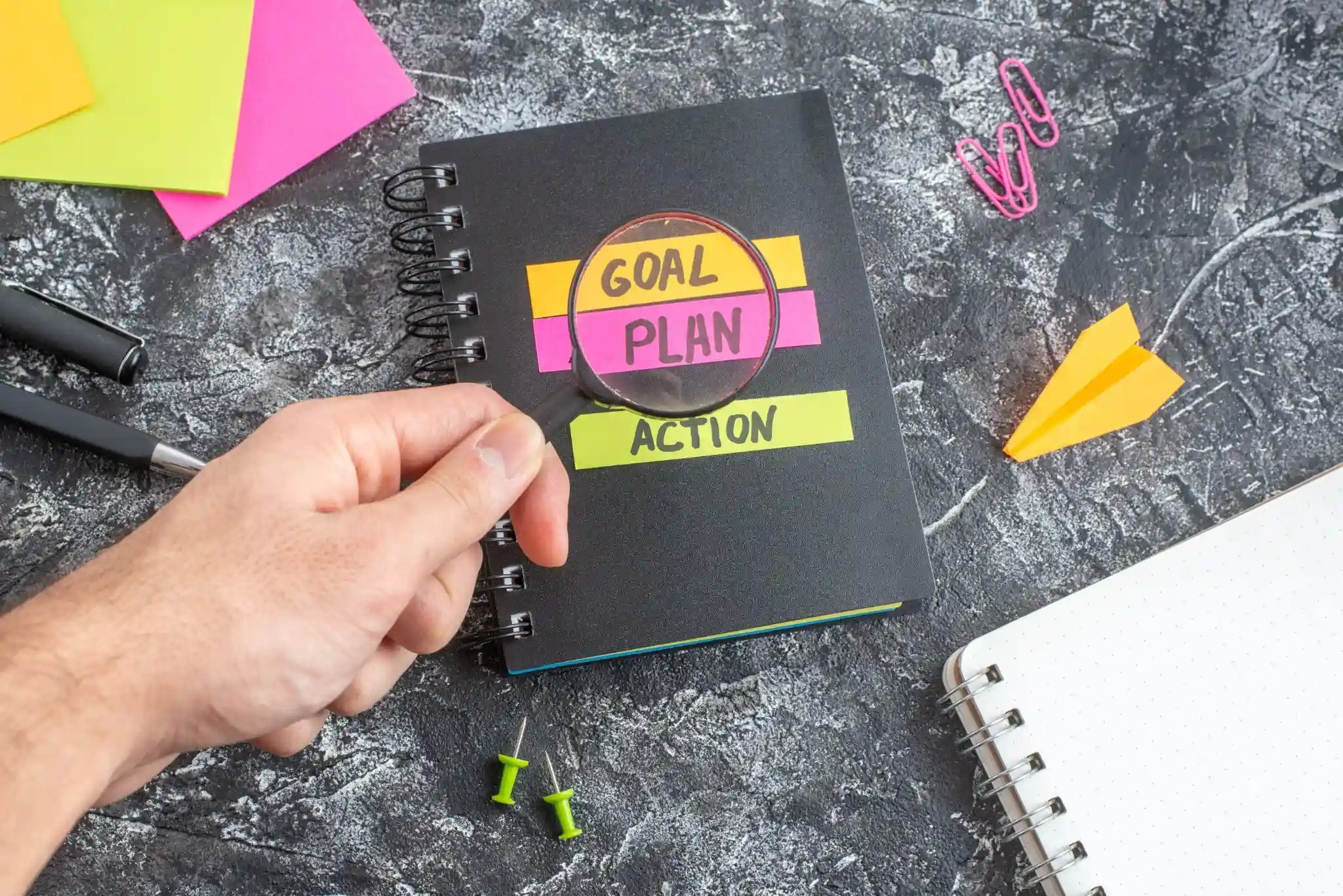
There’s a reason so many successful people talk about visualization. When you give your mind a clear image of what you want, it becomes easier to focus, easier to take action, and easier to stay motivated when life gets messy. A vision board is one of the simplest and most effective manifestation tools for that purpose.
It’s more than a collage of pretty pictures. It’s a visual reminder of your goals, dreams, and intentions. It’s a map that shows where you want to go emotionally, mentally, financially, physically, or spiritually. When you look at your vision board each day, your brain begins aligning your thoughts and actions with those goals. That’s the power of manifestation combined with psychology.
In this guide, you’ll learn why vision boards work, creative ways to design them, and powerful ideas you can use to make your vision board a true magnet for possibility.
Why Vision Boards Work for Manifestation
Before exploring ideas, it helps to understand the science behind vision boards. They work because they engage your brain’s visual system, the part responsible for imagination, memory, and decision-making.
Here’s why they’re so powerful:
1. They Activate the Reticular Activating System (RAS)
Your RAS filters information based on your priorities. When you create and view a vision board consistently, your RAS learns what matters to you. It begins noticing opportunities, ideas, and people that align with your goals.
2. They Strengthen Intention
Having a clear visual representation makes your goals feel tangible. This builds commitment and emotional connection.
3. They Reinforce Daily Motivation
The more you see your goals, the more inspired you feel to take action. Even small steps begin to feel meaningful.
4. They Help You Think in Possibilities Instead of Limitations
A vision board shifts your mindset from “I hope” to “I believe.”
5. They Encourage Consistency
Manifestation requires clarity and repetition. A vision board naturally supports both.
These psychological shifts are why vision boards are used by coaches, athletes, entrepreneurs, and individuals who want to experience change.
Types of Vision Boards
There is no single correct way to make a vision board. You can choose a design that feels intuitive, creative, or organized. Here are different styles you can explore.
1. Traditional Poster Board Vision Board
This is the classic style. You cut out images from magazines or print photos and arrange them on a large board. It’s tactile, visual, and immersive.
2. Digital Vision Board
Ideal for people who want something accessible on the go. You can create it using apps or design software, then set it as your phone or laptop wallpaper.
3. Themed Vision Board
This board focuses on one specific area of life, such as career, fitness, relationships, or travel. It provides focused clarity.
4. Quarterly or Monthly Vision Board
Great for short-term goals. It keeps your manifestations fresh and adaptable.
5. Vision Book or Manifestation Journal
Instead of one board, you use a notebook filled with pages that represent different goals or dreams. It’s a private, introspective format.
6. Minimalist Vision Board
This includes only essential images and words. Perfect for people who love simplicity and need clarity without clutter.
7. Affirmation-Based Vision Board
Instead of pictures, the board uses powerful statements and mantras. These affirm your identity and goals every time you look at them.
Powerful Vision Board Ideas to Boost Manifestation
Now let’s explore creative and meaningful ideas that make your board effective, intentional, and aligned with your goals.
1. Visualize Your Ideal Identity
Manifestation is not just about achieving goals; it’s about becoming the version of yourself who can achieve them. Dedicate a section of your vision board to your ideal identity.
Ask yourself:
-
How do I want to show up daily?
-
What qualities do I want to strengthen?
-
What beliefs do I want to embody?
Include words like:
-
“Confident”
-
“Disciplined”
-
“Peaceful”
-
“Courageous”
-
“Focused”
Identity shapes your actions, and your actions shape your results.
2. Add Images of the Life You Want to Live
Imagery is the heart of any vision board. Choose pictures that reflect your:
-
dream home
-
desired travel destinations
-
career goals
-
healthy lifestyle
-
financial freedom
-
meaningful relationships
-
hobbies or passions
Choose images that make you feel something, not just anything pretty. The emotional response is what activates manifestation energy.
3. Use Power Words and Intentional Phrases
Words carry energy. Add uplifting or motivating phrases such as:
-
“I attract abundance.”
-
“I am open to opportunities.”
-
“My future is bright.”
-
“I choose peace.”
-
“Success flows to me.”
These words act like reminders of what you believe you deserve.
4. Incorporate Your Core Values
Your values guide your manifestation journey. Add words or symbols for values like:
-
balance
-
joy
-
family
-
creativity
-
freedom
-
growth
-
love
Building your vision board around values helps keep your goals aligned with who you really are.
5. Include Images That Represent Emotions You Want to Feel
Manifestation is not just about “things.” It’s also about emotional states. Add visuals that represent:
-
calm
-
excitement
-
safety
-
gratitude
-
joy
-
confidence
Choose colors, patterns, or symbols that evoke those feelings.
6. Focus on Experiences Instead of Only Objects
A powerful manifestation strategy is to picture experiences, not just purchases.
Examples:
-
hiking in nature
-
running a marathon
-
learning a craft
-
hosting family dinners
-
reading in a cozy space
-
starting a business
Experiences help you envision a lifestyle, not just a list of items.
7. Add a Financial Freedom Section
Many people create vision boards to improve their financial life. Create a section dedicated to:
-
debt freedom
-
savings goals
-
dream income
-
investment milestones
-
generosity and giving back
Use images of check marks, upward arrows, coin jars, or symbolic wealth.
8. Create a Relationship or Love Section
Whether you’re looking to improve relationships or attract a partner, include visuals that represent:
-
healthy communication
-
emotional safety
-
shared goals
-
companionship
-
love and affection
Focus on the qualities you want, not specific people.
9. Add Wellness Goals
Wellbeing is the foundation for every other goal. Include images that represent:
-
healthy meals
-
moving your body
-
meditation
-
nature walks
-
better sleep
-
mental peace
Wellness-based visuals help balance ambition with self-care.
10. Include Spiritual Symbols
If spirituality is important to you, add images or words that represent:
-
alignment
-
intuition
-
inner peace
-
purpose
-
gratitude practices
-
meditation
-
prayer
This helps connect your vision board to inner growth.
11. Add Personal Photos
Your future self is still you. Adding photos of yourself—happy, confident, smiling—helps your brain connect the vision to reality.
12. Use Color Psychology
Colors affect moods.
-
Blue for calm
-
Green for growth
-
Yellow for positivity
-
Purple for creativity
-
Red for confidence
Choose colors that match the energy you want.
13. Make a “Future Milestones” Section
This can include:
-
career promotions
-
moving to a new city
-
starting a business
-
finishing a course
-
buying a home
Visualizing milestones helps you focus on long-term success.
14. Add Gratitude Elements
Gratitude enhances manifestation. Include:
-
photos of loved ones
-
memories you cherish
-
things you’re already proud of
This strengthens a mindset of abundance.
15. Include Inspirational Quotes
Choose quotes that spark emotion or reflection. These can shift your mindset instantly.
How to Make Your Vision Board More Effective
The best vision boards are intentional, emotional, and consistent. Here are ways to maximize their power.
1. Be Specific With Your Goals
Vague goals produce vague results. Be clear about what you want.
Instead of:
“I want success.”
Try:
“I want to launch a business that earns consistent income.”
Specificity triggers clear intentions.
2. Focus on How You Want to Feel
Manifestation is emotion-driven. If a picture doesn’t evoke a feeling, replace it. Your board should inspire, not overwhelm or confuse.
3. Keep It Visible
Place your vision board somewhere you look daily. For digital boards, make it a wallpaper or set reminders to review it.
4. Use Present-Tense Affirmations
Affirm your goals as if they already exist.
-
“I am financially secure.”
-
“I am living my dream lifestyle.”
-
“I am becoming my best self.”
This aligns your subconscious mind with your desired reality.
5. Review and Update Regularly
Your goals change as you grow. Update your board when:
-
you achieve a goal
-
your dreams shift
-
new opportunities arise
A vision board is a living tool.
6. Take Aligned Action
Manifestation is not passive. Your vision board guides you, but you must take steps.
Even small actions help:
-
learning a new skill
-
reaching out to someone
-
saving money
-
journaling
-
practicing self-discipline
When your actions align with your vision, manifestation becomes natural.
FAQs
1. Do vision boards actually work?
Yes. They work by shaping your mindset, sharpening your intentions, and helping your brain focus on opportunities aligned with your goals.
2. How often should I look at my vision board?
Daily is ideal. Even a few minutes is enough to reinforce your goals.
3. Can I make more than one vision board?
Absolutely. You can create themed boards or annual, quarterly, or digital boards.
Conclusion
A vision board is more than an art project, it’s a tool of clarity, intention, and emotional alignment. When you create a board that reflects your deepest goals and desires, you activate powerful mental and emotional processes that support manifestation. You begin shifting from wishing to believing, and from believing to taking action.
Vision boards remind you of what’s possible, who you want to become, and the life you’re capable of creating. Whether your goals involve growth, healing, success, love, wellness, or abundance, your vision board can be the starting point that directs your energy toward your future.
Manifestation begins with vision. Your board is the map. You are the creator.