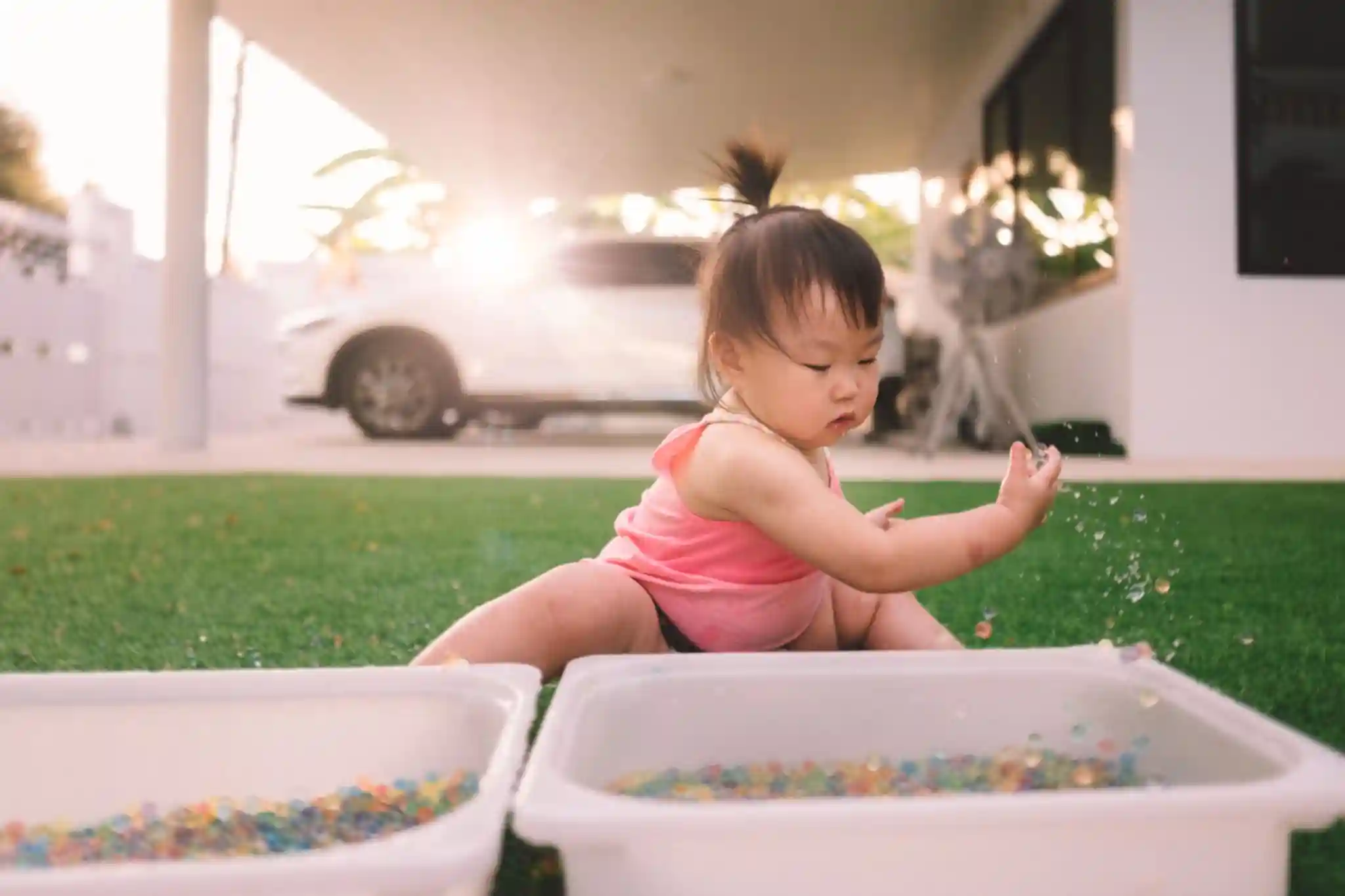
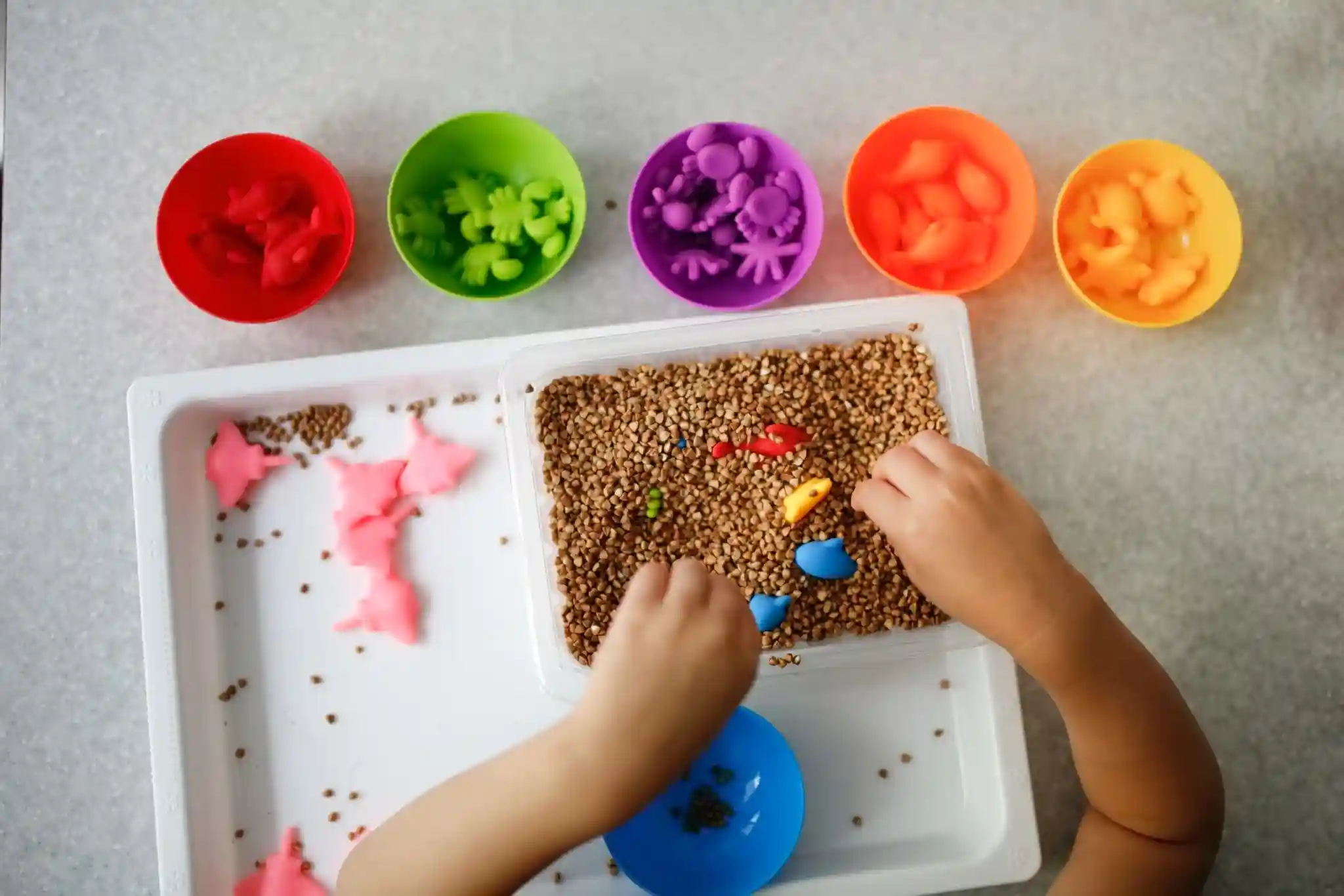
Children learn with their whole bodies. They learn by touching, smelling, tasting, hearing, and seeing the world in action. That is why sensory play is one of the most powerful tools for healthy child development. It helps children explore, experiment, feel confident in new experiences, and strengthen the brain connections that support learning.
Sensory play isn’t complicated. It doesn’t require expensive toys or special equipment. Most of the time, the best sensory activities come from simple, everyday objects found at home, water, sand, rice, paper, textures, sounds, and colors.
This guide dives deep into what sensory play is, why it matters, and plenty of creative sensory play ideas you can start using right away. Whether your child is a toddler or preschooler, these activities will spark curiosity and support essential developmental skills.
What Is Sensory Play?
Sensory play is any activity that activates one or more of the senses:
-
touch
-
sight
-
sound
-
smell
-
taste
-
movement (vestibular)
-
body awareness (proprioception)
When children engage their senses, they naturally explore how the world works. They develop early problem-solving skills, strengthen cognitive pathways, and learn through experience, not instruction.
Sensory play helps children:
-
make connections
-
regulate emotions
-
develop fine and gross motor skills
-
expand vocabulary
-
encourage creativity
-
improve focus and attention
-
build confidence
It supports the brain’s ability to process sensory information and prepares children for learning in later childhood.
Why Sensory Play Matters for Development
Sensory play is more than messy fun. It contributes to developmental growth in powerful ways.
1. Brain Development
Each new texture, sound, or sensation strengthens neural pathways. The more senses you activate, the stronger the connections.
2. Language Development
Children learn new descriptive words during sensory play, such as soft, rough, slippery, sticky, squishy, bumpy, loud, or smooth.
3. Emotional Regulation
Activities like water play or sand play can calm the nervous system and help children soothe themselves.
4. Motor Skills
Scooping, pouring, gripping, and manipulating objects strengthen muscles and coordination.
5. Creativity and Imagination
Sensory play encourages children to explore without rules. They can lead the activity naturally and creatively.
6. Cognitive Skills
Children practice problem-solving, reasoning, and independent thinking through trial and error.
Creative Sensory Play Ideas for Children
Below are engaging, sensory-rich activities you can easily set up. Each one activates different senses and supports different developmental skills.
1. Water Play Station
Water is one of the most versatile sensory materials. You can create endless activities with a simple tub of water.
Try adding:
-
cups for pouring
-
strainers
-
food coloring
-
sponges
-
rubber toys
-
small plastic animals
Children explore concepts like floating, sinking, absorbing, and squeezing. Water play also improves hand-eye coordination and early scientific thinking.
2. Homemade Sensory Bins
Sensory bins are a classic activity because they are simple, effective, and endlessly customizable.
Fill a bin with:
-
rice
-
dried beans
-
pasta
-
kinetic sand
-
shredded paper
-
pom-poms
-
oats
-
water beads (supervised)
Add scoops, cups, funnels, or small toys for discovery. Sensory bins encourage fine motor skills, imagination, and independent play.
3. Texture Walls or Texture Boards
Children love exploring different textures. Create a texture wall using household materials such as:
-
bubble wrap
-
felt
-
sandpaper
-
cotton balls
-
aluminum foil
-
carpet scraps
-
buttons
-
ribbons
Let children touch, compare, and describe the textures. This supports vocabulary expansion and sensory processing.
4. Playdough Creations
Playdough is one of the best sensory tools for creativity and fine motor practice.
You can make soft homemade dough using flour, salt, water, and oil. Add scents like vanilla, lavender, or lemon for extra sensory input.
Kids can:
-
roll
-
flatten
-
pinch
-
squish
-
mold
-
cut with safe tools
This builds hand strength for future writing skills.
5. Nature Sensory Hunt
Take the experience outdoors. Nature provides sensory input for every sense.
Let children collect items like:
-
leaves
-
stones
-
pine cones
-
flowers
-
sticks
-
feathers
-
shells
Then create a nature tray for sorting, observing, and touching. This encourages curiosity, scientific thinking, and appreciation for the natural world.
6. Sound Exploration Activities
Sound-based sensory play helps children tune into different noises and develop auditory awareness.
Try:
-
homemade shakers with rice or beans
-
tapping different household objects
-
water-filled glasses for musical tones
-
outdoor listening walks
-
pots and spoons for rhythm play
Children learn cause and effect, rhythm, and listening skills.
7. Sensory Painting Activities
Painting doesn’t have to be limited to brushes. Children love exploring paint with different sensory tools.
Try painting with:
-
cotton pads
-
leaves
-
sponges
-
bubble wrap
-
toy cars
-
fingers
Finger painting especially helps children express themselves and explore textures freely.
8. Ice Exploration Games
Ice adds temperature and texture variation to sensory play.
Ideas include:
-
freezing small toys in ice cubes
-
using warm water to rescue toys
-
painting ice with watercolors
-
watching ice melt in the sun
This teaches children about temperature, cause and effect, and scientific observation.
9. Mess-Free Sensory Bags
Perfect for babies and toddlers who enjoy tactile sensations but need safe, enclosed activities.
Fill a sealed plastic bag with:
-
hair gel
-
water
-
glitter
-
beads
-
sequins
-
foam shapes
Tape the edges securely. Children can squish, press, and explore without the mess.
10. Scent-Based Sensory Play
Smell is a powerful sensory input that boosts memory and exploration.
Use:
-
cinnamon sticks
-
citrus peels
-
lavender
-
mint leaves
-
scented playdough
-
vanilla extract
Encourage children to describe each scent. This increases awareness and verbal expression.
11. Sensory Pathways
Create a sensory path on the floor using different textures.
Use:
-
mats
-
pillows
-
bubble wrap
-
yoga blocks
-
fabric squares
-
stepping stones
Children walk or crawl through the pathway, stimulating body awareness, balance, and coordination.
12. Foam and Bubble Play
Foam is soft, fun, and stimulating.
Create foam with water and a gentle soap, then let children explore with cups, spoons, or toys. Bubble play introduces movement, breath control, and hand-eye coordination as children chase and pop bubbles.
13. Mud Kitchen or Outdoor Sensory Kitchen
Children thrive in pretend play environments. A mud kitchen gives them space to cook, pour, scoop, and mix natural ingredients like mud, leaves, water, and stones.
This encourages imaginative play, role-playing, and sensory exploration.
14. Taste-Safe Sensory Activities
For younger children who explore with their mouths, taste-safe options are essential.
Try:
-
edible finger paint (yogurt + food coloring)
-
cooked pasta with food coloring
-
cereal scooping bins
-
mashed potato play
-
whipped cream sensory trays
These give children safe opportunities to explore different textures.
How Sensory Play Supports Emotional Growth
Sensory play isn’t just physical. It supports emotional development in meaningful ways.
1. Stress Relief
Soft textures, water, and rhythmic movements calm the nervous system.
2. Emotional Expression
Children release frustration or energy through movement and exploration.
3. Building Confidence
They learn that it’s okay to experiment and make mistakes.
4. Social Skills
Sensory activities encourage sharing, cooperative play, and communication.
5. Independence
Children learn decision-making, problem-solving, and self-led exploration.
Sensory Play for Different Ages
Different age groups benefit from sensory play in different ways.
Babies
-
sensory bags
-
soft textures
-
tummy time sensory mats
-
gentle rattles
Toddlers
-
water play
-
rice bins
-
playdough
-
foam activities
-
finger painting
Preschoolers
-
nature exploration
-
sensory paths
-
complex sensory bins
-
role-play sensory kitchens
-
sound experiments
Adapt activities based on your child’s age, developmental stage, and interests.
Safety Tips for Sensory Play
Sensory play is fun but requires supervision.
Keep in mind:
-
avoid small pieces for children under three
-
choose edible or taste-safe materials for young toddlers
-
supervise water play
-
keep sensory bins clean
-
check for allergies
-
encourage hand washing after activities
Safety creates a positive sensory environment.
FAQs
1. How often should children engage in sensory play?
Daily exposure is great, even if it’s just 10 minutes. Sensory play doesn’t have to be formal. Simple, everyday textures work well.
2. Does sensory play help with speech development?
Yes. Sensory play boosts vocabulary, descriptive language, and communication skills.
3. Can sensory play calm an overstimulated child?
Absolutely. Activities like water play, sand play, or soft textures help regulate the nervous system.
Conclusion
Creative sensory play is one of the most powerful ways to support healthy child development. It strengthens the brain, improves motor skills, expands language, supports emotional regulation, and encourages curiosity. Most importantly, it gives children the freedom to explore the world through touch, sound, movement, and imagination.
These sensory play ideas are simple, fun, and adaptable for any household. You don’t need fancy toys or structured lessons. All you need is an open space, a few household items, and the willingness to let children explore freely.
When children learn through sensory experiences, they build confidence, independence, and a strong foundation for future learning. Sensory play doesn’t just entertain, it shapes lifelong development.