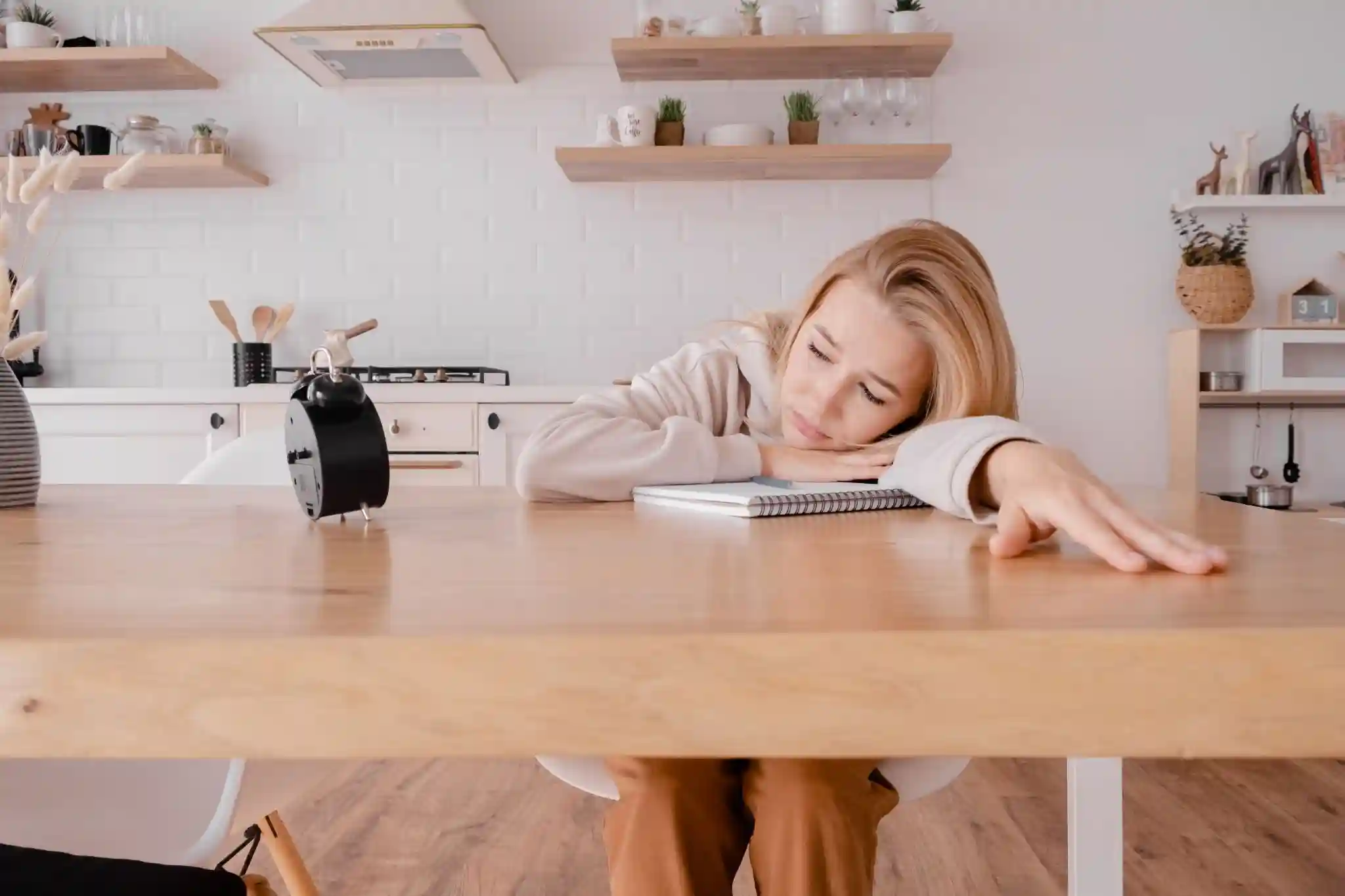
Burnout has become one of the most common emotional and physical struggles of modern life. People push themselves harder, chase achievement faster, and juggle endless responsibilities without pausing long enough to breathe. When exhaustion becomes constant and joy begins to fade, burnout arrives quietly, and sometimes all at once.
But burnout is not a sign of weakness. It’s a signal. A sign that your mind and body are asking for a new way of living. And that’s where the slow living movement becomes not just a lifestyle choice, but a form of healing.
Slow living helps you step back from chaos, reconnect with meaning, and reclaim control over your time and energy. It teaches you to move with intention instead of urgency. And most importantly, it gives you the tools to stop burnout before it consumes you.
This guide will walk you through how the slow living movement can help you overcome burnout, why it works, and how to implement it gently and realistically, even with a busy life.
Understanding Burnout: The Root of the Problem
Burnout isn’t just tiredness. It’s deeper. It affects the mind, body, emotions, and even your identity.
Burnout happens when chronic stress overwhelms your ability to cope. It often shows up as:
-
emotional exhaustion
-
irritability or mood changes
-
difficulty concentrating
-
loss of motivation
-
feeling disconnected from your life
-
physical fatigue
-
insomnia
-
numbness or apathy
-
frequent illness or headaches
-
feeling overwhelmed by small tasks
Burnout is the result of constant output without proper rest or restoration. Slow living offers a remedy by helping you rebuild your internal balance.
What Is the Slow Living Movement?
Slow living is not laziness or lack of ambition. It’s about choosing intention over urgency and meaning over noise. It’s about designing a life that supports your wellbeing instead of draining it.
Slow living encourages you to:
-
prioritize what truly matters
-
create healthy boundaries
-
simplify your routines
-
spend time mindfully
-
reduce clutter (mental, digital, emotional, physical)
-
reconnect with yourself and others
-
enjoy small moments
-
rest without guilt
When life slows down internally, even if your schedule stays full, your nervous system begins to regulate again, making burnout far less likely.
How Slow Living Helps Reduce Burnout
Burnout thrives in environments of constant pressure, overstimulation, and unrealistic expectations. Slow living works because it shifts the way you respond to life, not the life itself.
Here’s how it helps:
1. It Reduces Mental Noise
Slowing down reduces overstimulation from screens, tasks, and responsibilities. When the mind isn’t overwhelmed, clarity returns.
2. It Helps Your Nervous System Reset
Burnout keeps the body in a stress response. Slow living activates calm, grounding your emotions and physical state.
3. It Creates Sustainable Habits
Instead of pushing yourself until you crash, slow living encourages balanced rhythms — work, rest, movement, creativity, connection.
4. It Restores Emotional Presence
You become more aware of your feelings instead of ignoring them until they explode.
5. It Improves Focus
Doing less at once helps you accomplish more with better quality.
6. It Builds Space for Recovery
Slow living creates pauses, moments that allow your mind and body to catch up.
7. It Strengthens Self-awareness
You notice your limits sooner, preventing burnout from escalating.
Slow living isn’t a luxury. It’s a protective practice.
Signs You Need to Embrace Slow Living
You may benefit from slow living if:
-
you feel exhausted even after sleeping
-
your mind never feels quiet
-
you rush through everything
-
you can’t remember the last time you relaxed
-
your schedule feels suffocating
-
you’re constantly overstimulated
-
you “crash” into bed each night
-
you feel disconnected from joy
-
you forget things easily
-
you rarely have time for yourself
These signs are not normal, they are messages from your body asking for a slower rhythm.
A Practical Slow Living Framework for Burning Out Less
You don’t need to redesign your life overnight. Slow living works best when introduced gently, without pressure. Below is a realistic framework you can adapt to your unique lifestyle.
1. Start With Micro-Slow Moments
Slow living begins with tiny pockets of stillness.
Micro-moments include:
-
pausing before responding
-
taking 3 deep breaths
-
drinking water slowly
-
looking away from your screen for 30 seconds
-
sitting quietly for a minute
These brief pauses send signals of calm to the brain and reduce stress accumulation.
2. Simplify One Area of Your Life at a Time
Burnout often comes from trying to manage too many things at once. Slow living invites you to simplify gradually.
Start with one area:
-
your morning routine
-
your workspace
-
your calendar
-
your digital habits
-
your evenings
-
your environment
Small simplifications lead to big relief.
3. Build Gentle Routines
Slow living thrives on gentle rhythm.
Create routines that:
-
don’t feel rushed
-
include small moments of rest
-
support your energy instead of draining it
Slow routines help your mind anticipate calm instead of chaos.
4. Prioritize Meaning Over Productivity
Productivity culture pushes people to do more. Slow living pushes you to do what matters.
Ask yourself:“Does this add meaning or pressure?”
If it adds pressure without purpose, consider reducing it.
5. Protect Your Time
Boundaries are essential for preventing burnout.
Learn to say no when:
-
you are overwhelmed
-
the task isn’t aligned
-
it drains your energy
-
you need rest
-
you’re only agreeing to please others
Protecting your time protects your mental health.
6. Practice Mindful Presence
Slow living brings your attention back to the moment.
Try:
-
mindful eating
-
slow walking
-
listening deeply
-
noticing your surroundings
-
breathing consciously
Presence stops your mind from spiraling into stress.
7. Declutter Your Mind and Space
Clutter creates stress. Decluttering creates calm.
Decluttering is not about minimalism, it’s about removing what drains you.
Consider simplifying:
-
your inbox
-
your to-do list
-
your social media
-
your physical space
-
your emotional expectations
Each bit of clarity reduces burnout.
8. Incorporate Slow Movement
Gentle movement helps release stress stored in the body.
Try:
-
stretching
-
yoga
-
mindful walking
-
tai chi
-
slow dancing
-
breath-led movement
Movement without pressure supports healing.
9. Adopt Rest as a Non-Negotiable
Rest is not earned. Rest is required.
Slow living reframes rest as fuel, not laziness.
Incorporate:
-
short breaks
-
proper sleep
-
quiet pauses
-
sensory rest
-
mental breaks
Rest prevents burnout better than anything else.
10. Build Slow Evenings
Evenings should be soft, grounding, and restorative.
Try:
-
dimming lights
-
calming music
-
a warm shower
-
journaling
-
disconnecting from screens
-
light stretching
Slow evenings help reset your nervous system.
11. Choose Quality Over Quantity
This applies to everything — social plans, projects, relationships, commitments, purchases, habits.
Slow living teaches you to choose deeply, not widely.
12. Practice Emotional Honesty
Burnout often starts when people ignore their inner truth.
Ask yourself daily:
-
What do I need today?
-
What is draining me?
-
What can I let go of?
-
What can wait?
-
What emotion am I avoiding?
Honesty brings clarity. Clarity reduces burnout.
13. Add Nature Into Your Routine
Nature naturally slows your nervous system.
Even small interactions help:
-
sitting outside
-
touching a plant
-
feeling sunlight
-
listening to birds
-
breathing fresh air
Nature reconnects you to your natural pace.
14. Create Technology Boundaries
Burnout increases with digital overwhelm.
Try simple limits like:
-
no screens for the first 30 minutes of the day
-
screen-free meals
-
limiting endless scrolling
-
muting unnecessary notifications
Your attention deserves protection.
15. Have “Unscheduled Time”
Unscheduled time is where joy, creativity, and rest live.
Even 20 minutes of unscheduled time can restore balance.
How Slow Living Helps You Recover From Existing Burnout
If you’re already burned out, slow living can be a path to repair.
It helps by:
-
reducing adrenaline
-
soothing emotional exhaustion
-
reconnecting you with joy
-
rebalancing your nervous system
-
rebuilding your sense of control
-
restoring energy gradually
-
helping you listen to your needs again
Healing burnout takes time, but slow living provides the space your mind and body need.
FAQs
1. Can slow living work for busy professionals?
Yes. Slow living is about internal pace, not free time. You can apply it even with a demanding schedule.
2. How long does it take to reduce burnout with slow living?
It varies. Some people feel relief within days. Deeper healing often takes weeks or months of consistent gentle habits.
3. Do I need a simple lifestyle already to practice slow living?
No. Slow living can be practiced anywhere, with any routine. It’s about intention, not environment.
Final Thoughts
Burnout doesn’t happen overnight, and it doesn’t heal overnight. But slow living offers a compassionate, sustainable path to recovery. By slowing your inner pace, simplifying your routines, protecting your boundaries, and reconnecting with what matters, you give yourself space to breathe again.
The slow living movement is not about stepping away from life. It’s about stepping deeper into it. It’s about experiencing your days with clarity instead of chaos, intention instead of autopilot, and meaning instead of exhaustion.
When you embrace slow living, you begin to reclaim your energy, your time, your presence, and your sense of self. Burnout loses its power when peace becomes your priority.