
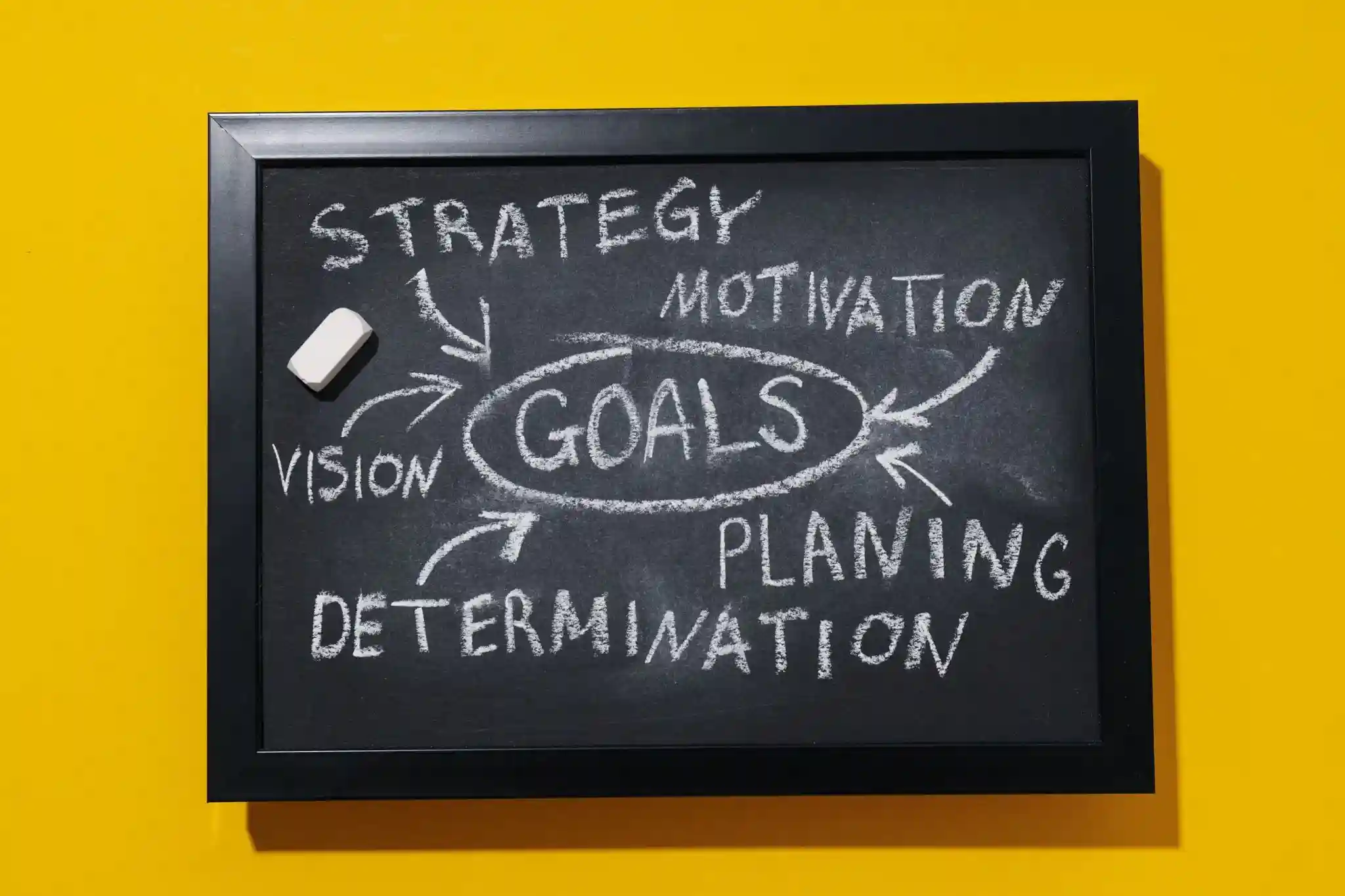
Setting a long-term goal is exciting. But staying committed to it for months, or even years, can feel challenging. Life gets busy, motivation fades, and distractions appear out of nowhere. That’s where vision boards come in. They aren’t magic shortcuts, but they are incredibly effective tools for keeping your mind aligned with your long-term intentions.
A well-designed vision board acts like a visual anchor. It reminds you of where you’re going when obstacles show up. It strengthens belief when progress feels slow. And it keeps your mind focused on possibilities instead of limitations. In this blog, we’ll explore why vision boards are effective for long-term goals, the psychology behind them, and how to create one that keeps you committed for the long haul.
Why Vision Boards Work for Long-Term Goals
Most people start strong and then lose momentum over time. A vision board helps counter this pattern by acting as a constant reminder of your dreams.
Here are the key reasons they work:
1. They Keep Your Goals Visually Present
Long-term goals often fade because we stop thinking about them. A vision board prevents this by staying in your environment. When you see your goals daily, they remain in your mental spotlight.
2. They Reinforce Emotional Connection
Goals stick when you feel something about them. A vision board isn’t just a list, it’s emotional. Images, colors, and words evoke feelings that strengthen your commitment.
3. They Help the Brain Focus on Opportunities
Your brain filters millions of pieces of information daily. Vision boards help your brain identify relevant opportunities that align with your goals, making progress easier and more intuitive.
4. They Strengthen Consistency
Consistency is the biggest barrier to long-term achievement. Vision boards quietly support consistency by reminding you of what matters every single day.
5. They Turn Long-Term Goals Into a Clear Mental Image
Vague goals create vague behaviors. But when a board gives you a clear picture of what success looks like, the path becomes more defined.
The Psychology Behind Vision Board Effectiveness
Vision boards aren’t random collages. They tap into powerful psychological mechanisms.
1. The Reticular Activating System (RAS)
Your RAS filters information based on what you consider important. When your goals are visually represented, the RAS highlights situations, people, and ideas that move you toward them.
2. Visualization and Mental Priming
Athletes use visualization to improve performance. Similarly, vision boards prime your brain to behave as if your goals are possible and within reach.
3. Neuroplasticity
Repeating visual cues trains your brain to form new neural pathways. Over time, thoughts aligned with your goals become more automatic.
4. Emotional Conditioning
Images create emotional resonance. When your emotions connect with your goals, motivation becomes stronger and more sustainable.
5. Identity Shaping
Long-term goals require identity shifts. Your vision board helps you see, and believe in, the person you’re becoming.
Long-Term Goals That Benefit From Vision Boards
Vision boards are especially effective for goals that require time, patience, and steady growth.
Examples include:
-
building a business
-
writing a book
-
saving for a home
-
improving health and fitness
-
debt freedom
-
spiritual growth
-
emotional healing
-
long-term relationship development
-
career advancement
-
creative skill mastery
These goals rarely show results overnight. A vision board keeps you committed while the progress unfolds slowly.
How to Design a Vision Board Made for Long-Term Success
A long-term vision board needs more intention than a quick collage. Here’s how to design one that stays relevant for months or years.
1. Start With Long-Term Clarity
Before choosing images, clarify what you want.
Ask yourself:
-
What do I want my life to look like in one year?
-
What about five years?
-
Which habits or actions will lead me there?
-
What emotional states do I want to maintain?
This creates the direction for your board.
2. Create Sections Based on Life Categories
Organizing your board can help keep long-term goals structured.
Possible sections include:
-
career
-
finances
-
health
-
spirituality
-
relationships
-
personal growth
-
new hobbies
-
lifestyle
This helps you visualize a balanced future.
3. Choose Images That Represent Progress, Not Just Outcomes
Many people only add final goals, like a dream house or a perfect body. But long-term success comes from small steps.
Include:
-
action symbols
-
work-in-progress images
-
discipline reminders
-
meaningful habits
This keeps your board grounded in reality while still inspiring you.
4. Add Affirmations That Support Long-Term Identity
Affirmations shape mindset.
Examples:
-
“I stay committed to my growth.”
-
“I am becoming more disciplined every day.”
-
“I attract long-term opportunities.”
-
“I trust the journey.”
Identity-based affirmations strengthen self-belief, which is critical for long-term goals.
5. Include a Timeline or Milestones
This helps prevent the board from feeling too vague.
You can add:
-
quarterly intentions
-
yearly milestones
-
habit trackers
-
small achievement markers
These keep your vision structured but still inspiring.
6. Use Colors and Themes That Match Your Long-Term Energy
Color psychology plays a bigger role than most people think.
-
Blue for calmness and clarity
-
Green for growth
-
Yellow for optimism
-
Red for motivation
-
Purple for intuition
-
Neutrals for balance
Choose colors that energize your long-term goals.
7. Add Real-Life Photos of Yourself
This helps your brain link the vision to your identity. Seeing yourself within your goals strengthens belief and motivation.
8. Keep the Design Clean & Not Overcrowded
Too many images create confusion. A long-term vision board should feel breathable, balanced, and focused.
How to Use Your Vision Board Daily
A vision board only becomes effective when you interact with it consistently. Here are ways to integrate it into your daily routine.
1. Morning Visualization
Spend one to three minutes looking at your board each morning. Let your mind imagine living those goals.
2. Nighttime Reflection
Use your board to reflect on how your day aligned with your vision. It helps you stay aware and intentional.
3. Affirmation Reading
Pick one affirmation from your board and repeat it daily. This builds belief and emotional connection.
4. Use It as a Decision Filter
Ask yourself:“Does this action support my vision?”
This keeps you aligned with long-term goals instead of short-term impulses.
5. Keep Your Board in a High-Visibility Space
Place it where you naturally look often, such as:
-
your bedroom wall
-
your office
-
near your desk
-
in your creative space
Visibility = consistency.
6. Connect Emotionally With the Vision
Don’t just look. Feel. Imagine:
-
the joy
-
the peace
-
the pride
-
the excitement
-
the freedom your goals will bring.
Emotion boosts manifestation.
When to Update Your Vision Board
Long-term goals shift as you grow. Refresh your board when:
-
you achieve milestones
-
you outgrow old intentions
-
your values shift
-
you gain new ideas
-
you discover deeper desires
Think of your vision board as a living tool that evolves with your inner world.
Common Mistakes People Make With Long-Term Vision Boards
Avoid these to keep your board effective:
1. Adding too many goals
Clutter reduces clarity.
2. Choosing goals you don’t emotionally connect with
Manifestation requires emotion.
3. Forgetting to take action
Looking at your board isn’t enough, action drives results.
4. Using goals that feel unrealistic
You need dreams, but they must feel reachable.
5. Creating a board once and never revisiting it
Consistency is key.
FAQs
1. Can a vision board really help with long-term goals?
Yes. It reinforces clarity, belief, and consistency, three essential elements for long-term achievement.
2. How long should I keep the same vision board?
Most people keep theirs for 6–12 months, but long-term boards can last several years if the vision remains relevant.
3. Should a vision board include only future goals?
No. Add reminders of past wins as well, they strengthen confidence.
Conclusion
A vision board is one of the simplest yet most powerful tools for long-term goal manifestation. It keeps your goals visible, strengthens your emotional commitment, trains your brain to stay focused, and supports the identity shift required for transformation.
Long-term success is not about speed, it’s about direction, clarity, and consistency. With a vision board guiding your journey, you gain a daily reminder of where you’re going and who you’re becoming. It becomes a compass that aligns your thoughts, emotions, and actions with the future you want to build.
Your goals may take time, but a vision board ensures you never lose sight of them.